


Thinking About Remodeling Before You Sell? Read This First


Why Pricing an Older Home Correctly Often Makes More Sense Than Renovating
If you're preparing to sell a home that's 15, 20, or even 30 years old, you've probably asked yourself the same question thousands of Arizona homeowners ask every year:
"Should I remodel before I put my home on the market?"
Many sellers assume they need to invest tens of thousands of dollars in a new kitchen, updated bathrooms, flooring, paint, or countertops to compete with newer homes.
The reality is often very different.
At Croft N Croft, we've found that many homeowners spend money on renovations they never fully recover. In many cases, the smarter financial decision isn't remodeling—it's pricing the home correctly and allowing the next owner to personalize it according to their own tastes.
Buyers Know Older Homes Aren't Brand New

If your home was built in the late 1990s or early 2000s, buyers already know they aren't walking into a brand-new home. They're expecting to see finishes from that era.
Oak cabinets.
Laminate countertops.
Brass fixtures.
Older flooring.
Traditional color palettes.
Surprisingly, many buyers aren't discouraged by these things. They often view them as an opportunity to create a home that reflects their own style instead of paying extra for someone else's design choices.
Paint colors can be changed in a weekend.
Flooring can be replaced over time.
Cabinets can be painted or updated when the budget allows.
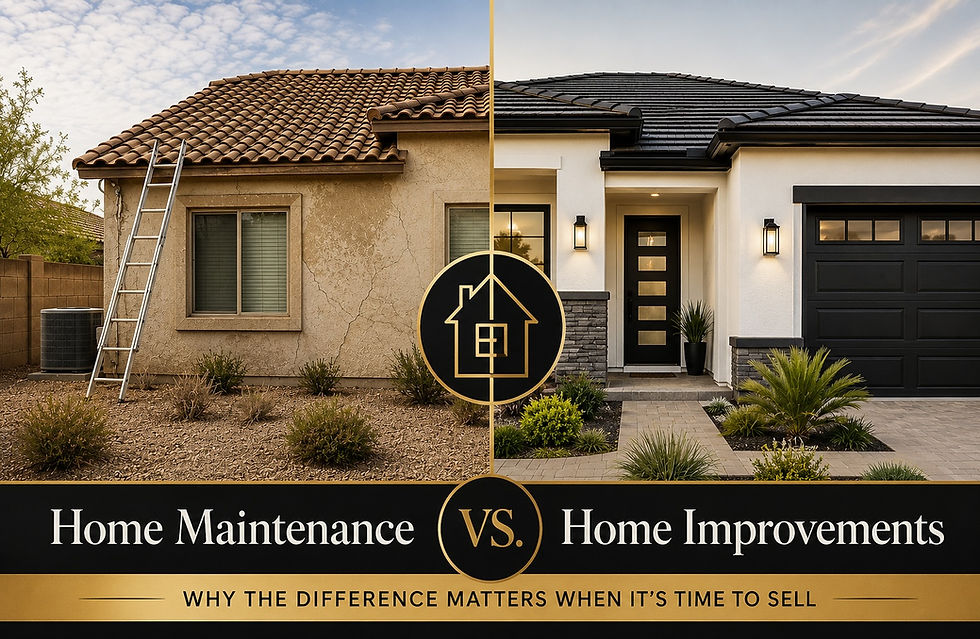
Those cosmetic improvements are usually far less expensive than replacing the major systems that keep a home functioning.
What Buyers Really Want to Know
While cosmetic features attract attention, experienced buyers—and their home inspectors—focus on something much more important.

They want to know the condition of the home's major systems.
These include:
HVAC system
Roof
Water heater
Plumbing
Electrical system
These are the components that can cost thousands—or even tens of thousands—of dollars to repair or replace after closing.
A home with older finishes but a newer roof, updated HVAC system, properly maintained plumbing, and sound electrical components often provides more value than a beautifully remodeled home hiding deferred maintenance.
Don't Spend $60,000 to Recover $20,000
One of the most common mistakes sellers make is assuming every renovation increases the value of their home. Unfortunately, that's rarely how the market works.
Imagine investing:
$30,000 on a kitchen remodel
$15,000 replacing flooring
$10,000 updating bathrooms
$5,000 painting the interior
That's a $60,000 investment before your home even hits the market.
Will buyers pay $60,000 more?
Usually not.
Many buyers will appreciate the improvements, but market value is determined by comparable sales—not by how much money you've invested.
That's why it's so important to understand the difference between cost and value.
The Market Determines Value
One of the hardest realities for sellers to accept is this:
Your home isn't worth what you spent on it.
It's not worth what you hope it's will sell for.
It's not worth what your neighbor says it's should sell for.
It's worth what today's buyers are willing to pay based on current market conditions, comparable sales, location, condition, and competition.
That's why pricing strategy is one of the most important decisions you'll make.
Homes that are priced correctly generate interest.
Homes that are overpriced often sit on the market longer, receive fewer showings, undergo multiple price reductions, and may ultimately sell for less than they could have if they had been priced correctly from the beginning.
Listen to the Market, Not Your Emotions
Selling a home is emotional.
It's where memories were made.
It's where children grew up.
It's where birthdays, holidays, and milestones happened.
But buyers don't purchase memories.
They purchase value.
That's why one of the most valuable things your Realtor provides isn't simply marketing.
It's honest advice.
A professional Comparative Market Analysis (CMA), current market trends, neighborhood competition, and years of experience allow an experienced Realtor to recommend a pricing strategy based on facts—not emotion.
Sometimes those facts aren't what we hoped to hear.
They're still the facts.
Advice for Buyers
If you're shopping for a home, don't overlook an older property simply because the finishes are dated.
Instead, ask questions like:
How old is the roof?
Has the HVAC system been replaced?
Is the plumbing in good condition?
Has the electrical system been updated?
Is the water heater newer?
Cosmetic improvements can be completed over time. Major system failures can become expensive surprises. Sometimes the smartest purchase is the home with the outdated kitchen and the solid mechanical systems.
Advice for Sellers
Before spending thousands of dollars on remodeling, have an honest conversation with your Realtor.
Ask:
Which improvements actually increase value?
Which projects simply make the home easier to sell?
Which renovations are unlikely to produce a return?
How does my home compare with recently sold homes in my neighborhood?
Every home is different.
Sometimes strategic improvements make perfect sense.
Other times, realistic pricing and exceptional marketing produce the best results.
The key is making informed decisions—not emotional ones.
The Croft Advantage™

At Croft N Croft, we believe every client deserves honest guidance backed by real experience.
Our unique background combines real estate, construction, home inspections, remodeling knowledge, and professional marketing to help buyers and sellers make confident decisions based on facts—not assumptions.
Whether you're buying your first home or preparing to sell the one you've loved for decades, our goal is simple:
Help you make the smartest financial decision possible.
Remember...
Beautiful marketing attracts buyers.
Accurate pricing brings offers.
The right combination brings results.
Price with Facts. Sell with Confidence.
The Croft Advantage™
Real Estate. Construction. Home Inspections. Marketing.
Helping Arizona buyers and sellers make smarter real estate decisions through experience, education, and honest advice.


Comments